


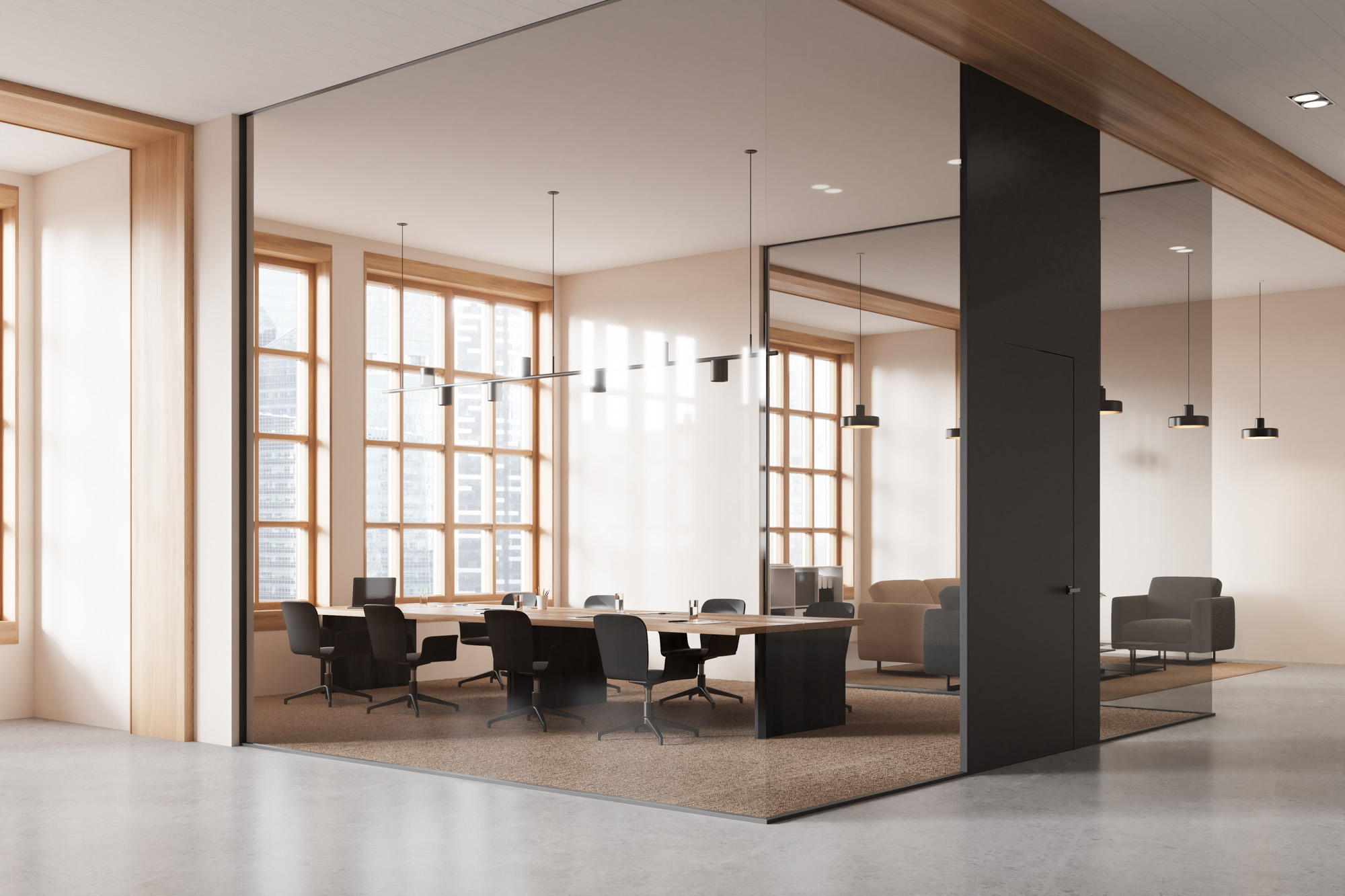
Plenty of small business owners in Glen Burnie walk into a flooring showroom thinking about the look first, which is reasonable. The part that surprises people is how much the technical side shifts once a floor goes into a commercial space. The same product line often comes in both residential and commercial grades, and the differences between them matter more than the appearance does once a few hundred people a week start walking across it.
Knowing which specifications actually change in a commercial setting helps you ask better questions before you buy, rather than finding out a year later why a floor is wearing unevenly.
Wear ratings mean something different outside the home
Ceramic and porcelain tile carry a PEI rating that describes how much surface abrasion the glaze is built to take. Residential rooms are generally well served by lower ratings, while a retail floor or an office entry typically calls for a higher rating because of the sheer volume and the grit that gets tracked in from a parking lot. Vinyl works on a similar principle with wear layer thickness, measured in mils, where commercial grade products use a noticeably thicker wear layer than the same visual style sold for a bedroom.
Manufacturers also publish separate warranty terms for light commercial and full commercial use, and those terms often depend on the floor being installed and maintained a particular way. It is worth confirming the intended use class before ordering, since a product that performs beautifully in a house can be outside its rated application in a business, which affects both how it wears and how the warranty reads.
Rolling chairs and carts do damage that foot traffic never does
Office chair casters concentrate weight onto very small contact points and move across the same few square feet thousands of times. That is a different kind of stress than walking, and it is the reason some flooring that handles heavy foot traffic well still shows wear under a desk. Harder wearing surfaces, glue down installations, and commercial grade wear layers all hold up better here than a floating floor with a thinner surface layer.
Glue down installation comes up often in commercial settings for exactly this reason. A fully adhered floor has nowhere to shift under rolling loads, which reduces the gapping and seam stress that can show up in a floating installation over time. It is a detail worth raising with your installer early, since it affects subfloor prep as well as the product choice itself.
Entries and transitions carry rules a home never has to think about
Businesses open to the public have accessibility requirements that affect flooring directly. Changes in floor height at a transition are regulated, with small vertical changes allowed outright and slightly larger ones requiring a bevel, and carpet pile height is addressed as well. These are not stylistic preferences, they are code considerations, and they are much easier to plan for before installation than to correct afterward.
Entry zones deserve specific attention too. A well planned entrance generally uses a sequence of surfaces that scrape, absorb, and then dry whatever comes in off the sidewalk, which protects the rest of the floor from the grit that causes most abrasion damage. Ceramic tile works well in that first zone because it handles both moisture and grit without absorbing either, while a commercial grade vinyl plank or carpet tile often makes sense further into the space where comfort and acoustics matter more.
Acoustics and maintenance are part of the decision
Open plan offices and small studios deal with sound reflection, and flooring plays a real role in that. Carpet absorbs sound in a way that hard surfaces do not, which is why it still shows up in offices and waiting areas even when a harder surface would be easier to clean. Some vinyl products include an attached acoustic backing that reduces impact noise, which can be a reasonable middle ground when a space needs both durability and some sound control.
Maintenance expectations differ too. A commercial cleaning crew may use different equipment and chemistry than a homeowner would, and some finishes respond poorly to high pH cleaners or aggressive machines. Matching the floor to how it will actually be cleaned, rather than how you would clean it at home, prevents a lot of premature dulling.
If you are fitting out a shop, office, or studio in Glen Burnie, Carpet Village can help you match the right product and installation method to how your space will actually be used. We serve Pasadena, Arnold, Severna Park, Millersville, Severn, Glen Burnie, Ferndale and Linthicum Heights, MD. and carry commercial rated options across tile, vinyl, and carpet alongside our residential lines. Stop by Pasadena, MD to see samples in person, or contact us to talk through your space before you order.
Start with our luxury vinyl flooring and ceramic tile selections to see what suits a commercial setting.


